Optimizing Communication Between Planners and Site Engineers
In this article, we are going to clarify how to optimize the communication between planners and site engineers.
Effective communication between planners and site engineers results in an improved overall success of construction projects. The two positions have different responsibilities for the project but once communication breaks down, it can lead to delays, budgets getting out of control, or even quality issues. Optimized communication backed by technology and collaboration will allow planners and site engineers to ensure that projects remain on schedule, under budget, and within specified standards.

Ready to take your skills to the next level? 🚀 Check out our Special Online Courses! 🚀
Gain valuable insights, boost your career, and learn from industry experts.
Understanding the Communication Gap
For construction projects to work smoothly, it is essential that planners and site engineers communicate effectively. While planners tend to use software to develop detailed schedules, allocate resources, and monitor progress from the office, the site engineer is in charge of operating from the front, managing the workforce, ensuring safety, and carrying out day-to-day operations. It is important that these two groups of professionals keep one another in close contact so as to ensure that time schedules are met, costs are controlled, and quality is maintained. Unfortunately, however, the gap between planning and execution, at times, allows room for errors, misunderstandings, and poor delivery that hurt the project badly.
Why Does this Gap Exist?
One of the principal reasons for communication breakdown is the lack of a common language between planners and site engineers. Planners usually use timelines, critical paths, and resource leveling, which might not be the same language site engineers speak when they engage in actual construction tasks. For example, a planner might schedule the pouring of concrete based on ideal conditions, but a site engineer might face unexpected challenges such as bad weather, equipment failure, or material delays. If these challenges aren’t communicated quickly and clearly, the project schedule can become outdated, leading to inefficient resource allocation or missed deadlines.
Structured Communication and Meetings
A simple solution is to ensure regular and structured communication. Daily or weekly site meetings where planners and site engineers come together to review progress, discuss challenges, and adjust the schedule if necessary are invaluable. During these meetings, the planner should listen carefully to the site engineer’s feedback about on-site happenings. On the other side, site engineer should also have some fundamentals of project scheduling, which all construction activities relate to in terms of importance. Graphical visualizations, such as Gantt charts or dashboards, should help to visualize the current situations and the target situations of each team quite explicitly.
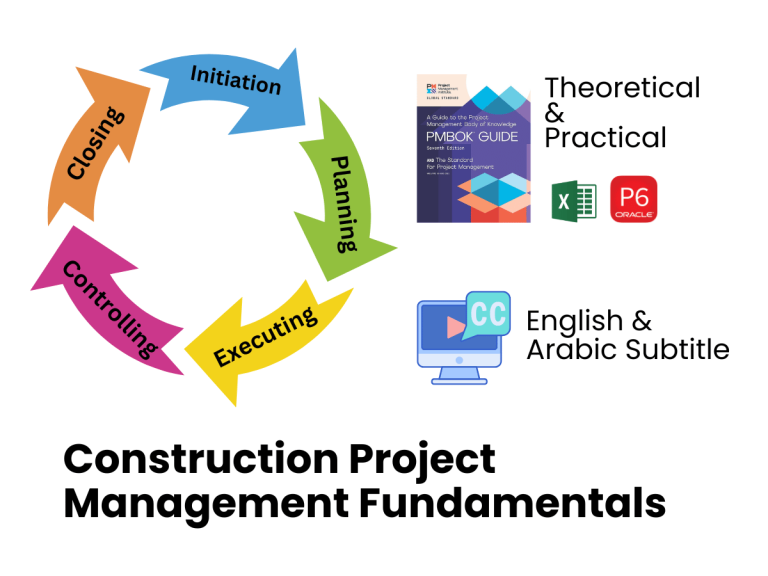
Construction Project Management Fundamentals Course
Learn how real construction projects are planned, managed, and controlled — from initiation to closing — using practical methods to deliver on…
- 7,683 students
- WhatsApp support group
- Certificate

Using Technology to Bridge the Gap
Technology also plays a huge role in bridging the gap between planners and site engineers. For example, mobile applications such as google sheets allow site engineers to provide real-time updates to the planner. If a task is delayed, the site engineer can immediately update the system, which will reflect in the schedule, allowing the planner to adjust and avoid larger delays later.

The Importance of Documentation
Another critical factor is documentation. Frequently site engineers do things on spot, like modifying the sequence of tasks or financing by alternative materials, which may not be put into record right away. If the planners are not informed of these changes, it does create gaps between what has been planned and what is being executed. Any small changes made by the site engineer should be documented and followed up with the planning team to keep the project on track.

Building a Collaborative Culture
In addition to structured communication and technology, fostering a collaborative culture is key. Both planners and site engineers should understand that they are working toward the same goal: the successful completion of the project. A blame-free environment where both parties feel comfortable discussing issues, offering solutions, and learning from each other can help resolve conflicts before they escalate. When site engineers and planners feel like they are part of a unified team, collaboration becomes natural and productive.
Training and Cross-Skilling
Training can also be a powerful tool. Planners should spend some time on-site to understand the realities of construction work, while site engineers could benefit from basic training in project planning and scheduling software like Primavera P6. Cross-training helps each team appreciate the other’s challenges and limitations, making communication smoother and more effective. For example, planners who have seen a construction site in action are more likely to understand the delays that can arise due to unforeseen site conditions. To learn more about planning and Primavera P6, you can check our course.
Conclusion
In conclusion, effective communication between planners and site engineers requires a mix of structured meetings, the use of technology, proper documentation, and a collaborative mindset. When both teams understand each other’s roles and challenges, it becomes easier to align schedules with real-world conditions, avoid delays, and complete the project on time and within budget. With the right approach, planners and site engineers can work together seamlessly, ensuring the success of any construction project.
Download the Resources of this Article
Optimizing Communication Between Planners and Site Engineers 484.74 KB 503 downloads

Keep in Touch
Join our Email Newsletters and receive FREE weekly useful content!

Keep growing with Planning Engineer
Learn with a clear path
From Primavera P6 basics to claims, cost control and Power BI. Start with our free courses.
Browse coursesGet help on WhatsApp
Every course comes with a private WhatsApp support group where our team answers your questions.
Join a courseFind planning jobs
84 open planning and project control jobs. Post your resume so employers can find you.
See jobsGet tips by email
Free planning tips, templates and course offers. Unsubscribe any time.
Related posts: