

Best Practices for Remote Collaboration in Construction Projects
In today’s quickly changing construction industry, remote collaboration has become a cornerstone of project success. With teams often spread across different regions and time zones, effective communication, resource sharing, and trust are essential for seamless project execution. The rise of advanced digital tools and platforms has made remote collaboration more achievable than ever, but the challenges remain significant. Ensuring clarity, consistency, and accountability across all team members is vital to maintaining productivity, adhering to timelines, and achieving project goals.
Establishing Clear Communication Protocols
Clear and structured communication is the base of any successful remote collaboration effort. In construction projects, where multiple stakeholders, subcontractors, and specialists are involved, misunderstandings can lead to costly delays and errors. Establishing standardized communication channels, such as Microsoft Teams, Zoom, or Slack, ensures everyone stays informed and aligned. Regularly scheduled virtual meetings allow teams to discuss progress, address challenges, and make collective decisions. Additionally, documentation of meeting minutes, key decisions, and follow-up actions in a centralized platform ensures transparency and accountability.

Ready to take your skills to the next level? 🚀 Check out our Special Online Courses! 🚀
Gain valuable insights, boost your career, and learn from industry experts.
Leveraging Collaboration Tools and Software
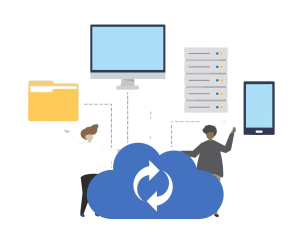
Technology plays a crucial role in bridging the physical gap between remote teams. Construction project management platforms like Primavera P6 enable teams to plan, track, and manage tasks efficiently. Document-sharing tools such as Google Drive, Dropbox, Microsoft Teams, and SharePoint allow stakeholders to access, edit, and review documents in real-time, reducing delays caused by version conflicts. These tools also provide dashboards and analytics that help project managers monitor milestones, resource usage, and overall performance effectively.
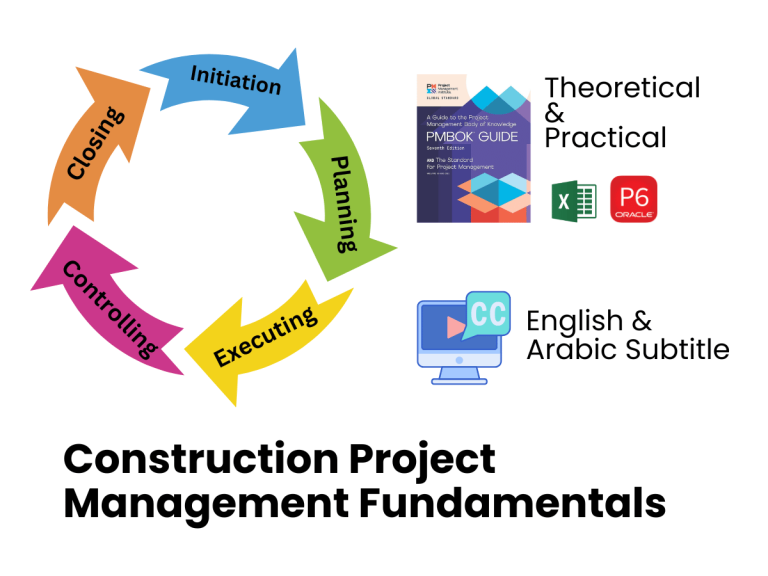
Construction Project Management Fundamentals Course
Learn how real construction projects are planned, managed, and controlled — from initiation to closing — using practical methods to deliver on…
- 7,555 students
- WhatsApp support group
- Certificate
Defining Roles and Responsibilities Clearly
In remote construction projects, uncertainty about roles and responsibilities can create confusion and disrupt workflows. It is essential to define each team member’s role explicitly, ensuring that everyone understands their tasks and deliverables. Tools like the Responsibility Assignment Matrix (RAM) and RACI charts help clarify responsibilities and prevent overlap or gaps in task execution. Designating a remote team coordinator can further streamline communication and act as a point of contact for addressing team concerns.
Building Trust and Team Cohesion
Building trust within remote teams is often overlooked but is fundamental to long-term success. Remote workers can sometimes feel disconnected or undervalued, which affects motivation and productivity. Regular team-building activities, even virtual ones, can foster stronger relationships and create a sense of camaraderie. Casual virtual meetups, recognition programs, and celebrating milestones help boost morale and remind team members that their contributions are valued.

Ensuring Reliable Technology and Infrastructure
Without reliable technology and stable infrastructure, remote collaboration in construction projects can lead to a halt. Each team member must have access to essential tools, including laptops, software licenses, and high-speed internet connections. IT support should be readily available to resolve technical issues promptly, minimizing disruptions to workflows. Regular updates and training sessions on collaboration tools can also enhance efficiency.
Tracking Performance and Accountability
Accountability is critical for maintaining productivity in remote environments. Establishing key performance indicators (KPIs) helps managers set clear expectations and measure progress objectively. Regular performance reports and dashboards provide insights into project status, resource utilization, and potential bottlenecks. These performance-tracking mechanisms ensure that team members stay focused and deliver results consistently.
Addressing Time Zone Differences and Cultural Variations
Global construction teams often face challenges related to time zone differences and cultural diversity. Scheduling meetings at rotating times can ensure inclusivity and accommodate team members from different regions. Additionally, encouraging cultural awareness through training sessions can help minimize misunderstandings and create a more respectful and harmonious work environment.
Conclusion
Remote collaboration in construction projects is not without its challenges, but with the right strategies, tools, and mindset, it can be highly effective. Clear communication, reliable technology, defined responsibilities, and a focus on team cohesion are essential ingredients for success. By adopting these best practices, construction managers can create an environment where remote teams thrive, ensuring projects are delivered efficiently, regardless of geographical barriers.
Download the Resources of this Article
Best Practices for Remote Collaboration in Construction Projects 490.66 KB 797 downloads

Keep in Touch
Join our Email Newsletters and receive FREE weekly useful content!

Keep growing with Planning Engineer
Learn with a clear path
From Primavera P6 basics to claims, cost control and Power BI. Start with our free courses.
Browse coursesGet help on WhatsApp
Every course comes with a private WhatsApp support group where our team answers your questions.
Join a courseFind planning jobs
25 open planning and project control jobs. Post your resume so employers can find you.
See jobsGet tips by email
Free planning tips, templates and course offers. Unsubscribe any time.
Related posts:



Tag:collaboration, KPI, remote

You may also like

How to Minimize Total Float in Construction Activities

